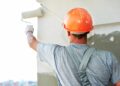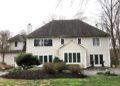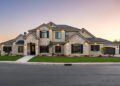

Embark on a journey through the world of commercial siding and roofing services, where the importance of maintaining top-notch building exteriors is unraveled. From energy efficiency to aesthetic appeal, discover how well-installed siding and roofing can transform a commercial property.
Exploring the different types of materials and roofing systems, along with the significance of regular maintenance, this guide is your gateway to maximizing the lifespan and functionality of commercial buildings.
Importance of Commercial Siding and Roofing Services
Maintaining high-quality siding and roofing for commercial buildings is crucial for several reasons. Not only does it protect the structure from the elements, but it also plays a significant role in energy efficiency and overall aesthetics. Proper maintenance of siding and roofing can also extend the lifespan of a commercial property, saving money on costly repairs in the long run.
Energy Efficiency and Aesthetics Benefits
- Well-installed siding and roofing can act as a barrier against heat loss in the winter and heat gain in the summer, helping to regulate indoor temperatures and reduce energy costs.
- Additionally, choosing energy-efficient materials for siding and roofing can further enhance the building's energy performance, leading to lower utility bills and a reduced carbon footprint.
- Aesthetically, high-quality siding and roofing can enhance the overall look of a commercial property, making it more attractive to customers, tenants, and visitors.
Lifespan Extension through Proper Maintenance
- Regular inspections and maintenance of siding and roofing can help identify potential issues early on, preventing major damage and costly repairs down the line.
- Addressing minor repairs promptly can prevent water infiltration, mold growth, and structural damage, ultimately extending the lifespan of the building.
- By investing in professional siding and roofing services, commercial property owners can ensure the longevity and durability of their building, safeguarding their investment for years to come.
Types of Commercial Siding Materials
When it comes to commercial siding materials, there are several options available, each with its own unique characteristics and benefits. Let's explore some of the most commonly used siding materials in commercial construction.
Vinyl Siding
Vinyl siding is a popular choice for commercial buildings due to its affordability and low maintenance requirements. It comes in a wide range of colors and styles, making it a versatile option for different architectural designs. However, vinyl siding may not be as durable as other materials and can crack or fade over time.
Metal Siding
Metal siding, such as steel or aluminum, is known for its strength and durability. It can withstand harsh weather conditions and is fire-resistant, making it a great choice for commercial properties. However, metal siding can be more expensive than other materials, and it may require regular maintenance to prevent rust and corrosion.
Wood Siding
Wood siding provides a classic and natural look that many commercial property owners appreciate. It offers excellent insulation properties and can be easily painted or stained to match the building's aesthetic. However, wood siding is susceptible to rot, pests, and moisture damage, requiring regular maintenance and upkeep to prolong its lifespan.
Fiber Cement Siding
Fiber cement siding is a durable and low-maintenance option for commercial buildings. It is resistant to rot, fire, and pests, making it a long-lasting choice for property owners. Fiber cement siding can mimic the look of wood or masonry without the same level of maintenance required.
However, it can be more expensive upfront compared to other materials.
Types of Commercial Roofing Systems

When it comes to commercial roofing systems, there are several options available, each with its own set of characteristics and benefits. Let's explore some of the most common types of commercial roofing systems and their suitability for different types of properties.
Flat Roofs
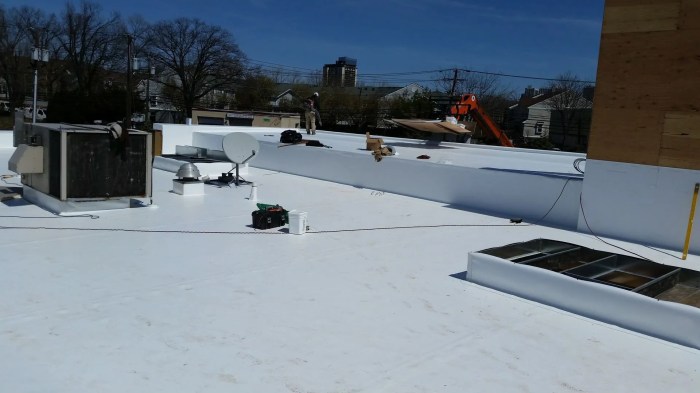
Flat roofs are a popular choice for commercial buildings due to their cost-effectiveness and ease of installation. They are ideal for buildings with large surface areas and provide additional space for equipment and HVAC units. However, flat roofs require regular maintenance to prevent water pooling and leaks.
Metal Roofs
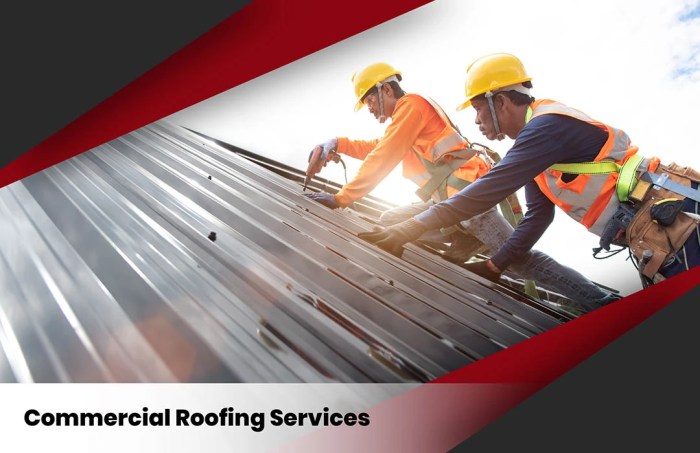
Metal roofs are known for their durability and longevity, making them a great choice for commercial properties looking for a long-term roofing solution. They are resistant to fire, rot, and insects, and require minimal maintenance. Metal roofs also offer excellent insulation properties, helping to reduce energy costs for the building.
Green Roofs
Green roofs are becoming increasingly popular for commercial properties seeking sustainable and eco-friendly roofing solutions. These roofs are covered with vegetation, providing natural insulation and reducing energy consumption. Green roofs also help to improve air quality, reduce stormwater runoff, and increase the lifespan of the roof membrane.Each of these roofing systems has its own unique benefits and is best suited for different types of commercial properties based on factors such as climate, building design, and maintenance preferences.
Importance of Regular Maintenance
Regular maintenance is crucial for ensuring the longevity and performance of commercial siding and roofing systems. By conducting routine inspections and addressing any issues promptly, businesses can avoid costly repairs and extend the lifespan of their buildings.
Checklist for Routine Maintenance
- Inspect for any signs of damage, such as cracks, leaks, or missing shingles.
- Clean gutters and downspouts to prevent water buildup and potential water damage.
- Trim overhanging tree branches to prevent damage from falling limbs.
- Check for mold or mildew growth and address it immediately to prevent further damage.
- Ensure proper ventilation to prevent moisture buildup in the attic or under the siding.
Preventive Maintenance Benefits
Proactive maintenance can help businesses avoid unexpected repairs and minimize downtime. By addressing small issues before they escalate, companies can save money in the long run and ensure their commercial properties remain in top condition. Regular maintenance also helps improve energy efficiency and maintain a professional appearance for the building.
Ultimate Conclusion
In conclusion, commercial siding and roofing services play a crucial role in the overall well-being of commercial properties. By investing in quality materials, proper installation, and proactive maintenance, businesses can ensure longevity and efficiency, ultimately leading to a successful and sustainable future.
Answers to Common Questions
What are the benefits of fiber cement siding for commercial buildings?
Fiber cement siding offers excellent durability, low maintenance requirements, and resistance to fire, insects, and rot, making it a popular choice for commercial properties.
How often should commercial roofing systems be inspected?
It is recommended to have commercial roofing systems inspected at least twice a year, ideally in the spring and fall, to catch any potential issues early.
Can metal roofing be a sustainable choice for commercial buildings?
Yes, metal roofing is considered a sustainable option due to its high recyclability, energy efficiency, and long lifespan, making it an eco-friendly choice for commercial properties.