
Embark on a journey through the world of eco-friendly siding options, where sustainability meets style and functionality. From innovative materials to cost-saving benefits, this guide covers everything you need to know about making environmentally conscious choices for your home.
Delve into the details of different types of eco-friendly siding and discover how they can enhance the aesthetics and energy efficiency of your living space.
Types of Eco-Friendly Siding
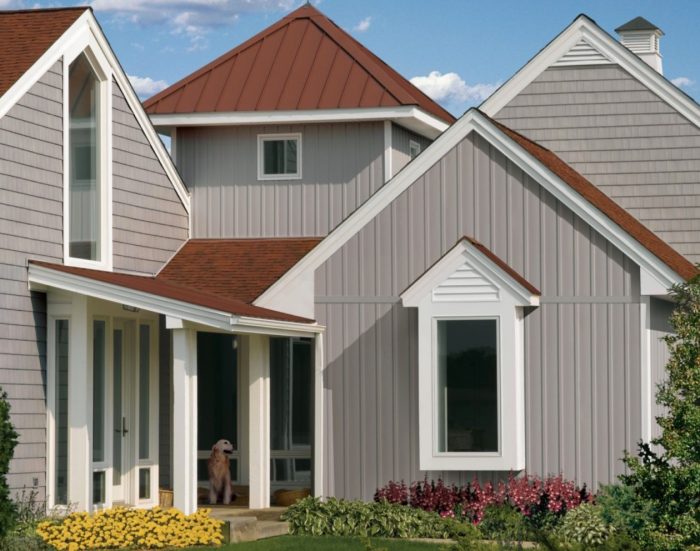
Reclaimed wood, fiber cement, and engineered wood siding are popular eco-friendly options in the market due to their sustainability and durability. Each material offers unique features that cater to different preferences and needs.
Reclaimed Wood Siding
Reclaimed wood siding is sourced from old barns, factories, and other structures, giving it a rustic and weathered look. It is a sustainable option as it repurposes existing wood, reducing the need for new timber. Reclaimed wood siding offers a unique charm and character that cannot be replicated with new materials.
Fiber Cement Siding
Fiber cement siding is made from a mixture of cement, sand, and cellulose fibers, providing a durable and low-maintenance option for eco-conscious homeowners. It is resistant to rot, fire, and pests, making it a long-lasting choice for siding. Fiber cement siding also comes in a variety of colors and textures, allowing for versatile design options.
Engineered Wood Siding
Engineered wood siding is manufactured from wood fibers and other sustainable materials, offering the natural beauty of wood with enhanced durability and stability. It is available in different styles, including lap siding, panel siding, and shakes, providing versatility in design choices.
Engineered wood siding is designed to withstand the elements and maintain its appearance over time.
Benefits of Eco-Friendly Siding
Choosing eco-friendly siding options not only benefits the environment but also offers several advantages for homeowners.
Environmental Advantages
- Reduces the demand for natural resources: Eco-friendly siding materials are often made from recycled or renewable materials, helping to conserve natural resources.
- Decreases pollution: Traditional siding materials can release harmful chemicals into the air during manufacturing and disposal, while eco-friendly options are typically produced with minimal environmental impact.
- Promotes sustainability: By using siding materials that are sustainable and recyclable, homeowners can contribute to a more sustainable future for the planet.
Energy Efficiency
- Improved insulation: Eco-friendly siding options like insulated vinyl siding or fiber cement siding can help improve the energy efficiency of a home by providing better insulation, reducing heating and cooling costs.
- Reflective properties: Some eco-friendly siding materials have reflective properties that can help reduce heat absorption, keeping the interior of the building cooler and lowering energy usage.
- Longevity: Eco-friendly siding materials are often durable and require less maintenance, leading to long-term energy savings and reduced environmental impact.
Cost Savings
- Lower energy bills: By improving the energy efficiency of a home, eco-friendly siding can help reduce heating and cooling costs, resulting in long-term savings for homeowners.
- Reduced maintenance: Eco-friendly siding materials are often low-maintenance and resistant to pests, rot, and decay, reducing the need for frequent repairs and maintenance expenses.
- Increased property value: Homes with eco-friendly siding options are often more attractive to environmentally conscious buyers, potentially increasing the resale value of the property.
Installation and Maintenance
When it comes to eco-friendly siding, proper installation and maintenance are essential to ensure the longevity and effectiveness of these materials.Proper Installation:
1. Hire a Professional Installer
- Ensure that you hire a professional installer with experience in working with eco-friendly siding materials.
- Proper installation techniques are crucial to avoid any issues down the line.
2
. Follow Manufacturer Guidelines
- Always follow the manufacturer's guidelines for installation to ensure the siding is installed correctly.
- Failure to follow these guidelines could void any warranties or lead to performance issues.
Proper Maintenance:
1. Regular Cleaning
- Regularly clean the siding to remove dirt, dust, and debris that can accumulate over time.
- This can be done with a gentle soap and water solution or a mild detergent.
2. Inspect for Damage
- Regularly inspect the siding for any signs of damage, such as cracks, warping, or mold growth.
- Addressing these issues promptly can prevent further damage and prolong the lifespan of the siding.
3. Repainting or Refinishing
- If your eco-friendly siding requires repainting or refinishing, make sure to use environmentally friendly products.
- Choose paints or finishes that are low in volatile organic compounds (VOCs) to minimize environmental impact.
Aesthetics and Design
When it comes to eco-friendly siding options, aesthetics and design play a crucial role in enhancing the overall look of a home while also promoting sustainability.One of the key aspects to consider when choosing eco-friendly siding is how it complements different architectural styles.
Whether you have a modern or traditional home, there are eco-friendly siding materials available that can seamlessly blend in with your existing design.
Color Options, Textures, and Finishes
When it comes to eco-friendly siding, you are not limited to a specific color palette or texture. In fact, there is a wide range of colors, textures, and finishes available in eco-friendly siding materials to suit your design preferences. From natural wood finishes to sleek modern colors, you can find eco-friendly siding options that cater to various design styles.
- Color Options: Eco-friendly siding materials come in a variety of colors, ranging from earthy tones to vibrant hues. Whether you prefer a more natural look or want to make a bold statement, there is a color option for every design aesthetic.
- Textures: Some eco-friendly siding materials mimic the look and feel of traditional materials like wood or stone, adding depth and character to your home's exterior. Textured finishes can create visual interest and enhance the overall design of your home.
- Finishes: Matte, satin, or glossy finishes are available in eco-friendly siding materials, allowing you to choose a finish that best complements your design preferences. The right finish can elevate the look of your home and create a cohesive design scheme.
Closing Notes
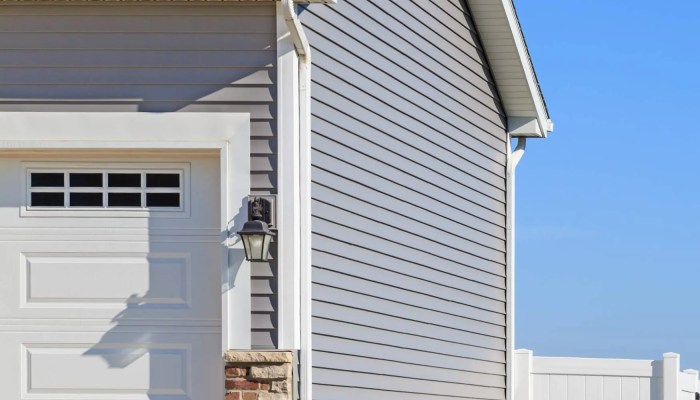
In conclusion, eco-friendly siding offers a plethora of benefits for both your home and the environment. By choosing sustainable materials and proper maintenance, you can create a beautiful, energy-efficient space that stands the test of time. Make the switch to eco-friendly siding options and pave the way for a greener future.
Question Bank
Are eco-friendly siding options more expensive than traditional siding?
Eco-friendly siding options may have a higher upfront cost, but the long-term savings on energy bills and maintenance can offset the initial investment.
Can eco-friendly siding be painted to match different color schemes?
Yes, eco-friendly siding materials often come in a variety of colors and finishes, allowing for customization to suit different design preferences.
Do eco-friendly siding options require special maintenance compared to traditional siding?
While eco-friendly siding may require specific maintenance routines, such as periodic cleaning or sealing, they generally offer similar durability and longevity as traditional siding.