

Embark on a journey to discover the allure of Hardie Cobblestone, a material that adds charm and sophistication to construction projects. This introduction sets the stage for an insightful exploration, offering a glimpse into the world of this versatile building material.
Detailing its composition, characteristics, and diverse applications, this paragraph paints a vivid picture of the impact Hardie Cobblestone can have on architectural design and aesthetics.
Overview of Hardie Cobblestone
Hardie Cobblestone is a durable and versatile building material made from fiber cement. It is designed to mimic the look of traditional cobblestone, offering a classic and elegant appearance for various construction projects.
Composition and Characteristics
- Hardie Cobblestone is composed of a mixture of cement, sand, and cellulose fibers, making it resistant to rot, fire, and pests.
- It is available in a variety of colors and textures to suit different architectural styles and design preferences.
- This material is lightweight yet sturdy, providing ease of installation while ensuring long-lasting durability.
Applications and Uses
- Hardie Cobblestone is commonly used for exterior cladding, accent walls, and facade detailing in residential and commercial buildings.
- It can also be applied as a decorative element for pathways, driveways, and landscaping features, adding a touch of sophistication to outdoor spaces.
- The versatility of Hardie Cobblestone allows for creative designs and unique patterns, enhancing the overall aesthetic appeal of structures.
Enhancing Aesthetic Appeal
- Hardie Cobblestone adds a timeless charm and character to buildings, creating a classic and sophisticated look that stands out.
- By combining different colors and textures, designers can achieve a custom and visually appealing finish that complements the overall architectural design.
- The textured surface of Hardie Cobblestone provides depth and dimension, adding visual interest and creating a sense of authenticity to the building exterior.
Installation of Hardie Cobblestone

Installing Hardie Cobblestone is a straightforward process that requires attention to detail and proper preparation. Here is a step-by-step guide to help you with the installation:
Surface Preparation
Before installing Hardie Cobblestone, it is crucial to ensure that the surface is clean, dry, and free of any debris. Make sure that the surface is smooth and level to achieve the best results. Any existing surface material should be removed, and the area should be properly primed before proceeding with the installation.
Cutting and Fitting
When it comes to cutting and fitting Hardie Cobblestone pieces, it is essential to use the right tools for the job. A circular saw with a diamond-tipped blade is recommended for cutting the pieces to size. Measure carefully and mark the pieces before cutting to ensure a precise fit.
Additionally, use a carbide-tipped scoring tool for any intricate cuts or angles that may be required during the installation process.Overall, following these best practices for surface preparation and cutting and fitting Hardie Cobblestone pieces will help you achieve a professional and long-lasting installation.
Maintenance of Hardie Cobblestone
When it comes to maintaining Hardie Cobblestone, following a regular schedule is essential to keep the surface in optimal condition. This includes cleaning and addressing any damaged pieces promptly.
Maintenance Schedule
- Inspect the Hardie Cobblestone surface quarterly for any signs of damage or wear.
- Clean the surface bi-annually to remove dirt, debris, and stains.
- Replace any damaged or missing pieces as soon as they are noticed to prevent further issues.
Recommended Cleaning Methods
When cleaning your Hardie Cobblestone surface, it is important to use gentle methods to avoid causing damage. Here are some recommended cleaning methods:
- Use a mixture of mild soap and water to clean the surface with a soft brush or cloth.
- Avoid using harsh chemicals or pressure washers, as they can damage the surface of the cobblestones.
- Rinse the surface thoroughly with clean water after cleaning to remove any soap residue.
Repair or Replacement of Damaged Pieces
If you notice any damaged or missing Hardie Cobblestone pieces, it is important to address them promptly to maintain the integrity of the surface. Here's how you can repair or replace damaged pieces:
- Remove the damaged cobblestone piece carefully using a chisel and hammer.
- Clean the area where the piece was removed and apply an appropriate adhesive.
- Place the new cobblestone piece in position and gently tap it into place with a rubber mallet.
Benefits of Hardie Cobblestone
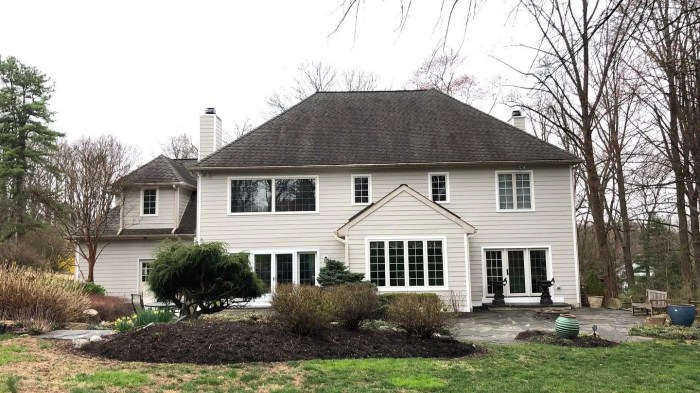
Hardie Cobblestone offers numerous advantages over traditional materials, making it a popular choice for building projects. Its durability, energy efficiency, and aesthetic appeal set it apart from other similar products on the market.
Durability
- Hardie Cobblestone is made of fiber cement, a highly durable material that can withstand harsh weather conditions, including extreme heat, cold, and moisture.
- Unlike natural stone or brick, Hardie Cobblestone does not crack or chip easily, ensuring long-lasting beauty and structural integrity.
- It is resistant to rot, pests, and fire, providing a low-maintenance option for homeowners and builders.
Energy Efficiency
- Hardie Cobblestone contributes to energy efficiency in buildings by providing excellent insulation properties, helping to regulate indoor temperature and reduce energy costs.
- Its thermal mass helps to keep buildings cool in the summer and warm in the winter, creating a comfortable living environment year-round.
- By reducing the need for heating and cooling, Hardie Cobblestone can lower carbon emissions and promote sustainability in construction projects.
Outcome Summary
In conclusion, Hardie Cobblestone emerges as a standout choice for enhancing the visual appeal and durability of buildings. Its unique properties and benefits make it a valuable addition to any construction project, promising both style and substance.
Key Questions Answered
Is Hardie Cobblestone suitable for outdoor applications?
Yes, Hardie Cobblestone is designed to withstand outdoor elements, making it an ideal choice for pathways, driveways, and exterior walls.
How often should Hardie Cobblestone be cleaned?
Regular cleaning every 6-12 months is recommended to maintain the appearance and longevity of Hardie Cobblestone.
Can damaged Hardie Cobblestone pieces be repaired?
Yes, damaged pieces can be easily replaced by following the proper repair procedures provided by the manufacturer.