
Diving into the realm of commercial painting contractors, this introduction sets the stage for a comprehensive exploration of their role in the construction industry. From the intricate projects they tackle to the significance of their expertise, readers will embark on a journey filled with insights and knowledge.
As we delve deeper, we uncover the nuances of their services, qualifications, project management strategies, and commitment to safety standards. Get ready to discover the intricacies of commercial painting contractors in this engaging discussion.
Overview of Commercial Painting Contractors
Commercial painting contractors play a vital role in the construction industry by providing professional painting services for commercial properties. These contractors are skilled in painting large-scale projects and ensuring high-quality finishes that meet industry standards.
Projects Requiring Commercial Painting Contractors
Commercial painting contractors are essential for projects such as office buildings, shopping centers, hospitals, schools, warehouses, and other commercial properties. These projects often involve painting large surface areas, intricate designs, and specialized coatings that require expertise and precision.
Importance of Hiring Professional Contractors
Hiring professional commercial painting contractors for large-scale projects is crucial to ensure the success and longevity of the paintwork. These contractors have the necessary equipment, experience, and knowledge to handle complex projects efficiently. Professional contractors also use high-quality materials and techniques to deliver durable and aesthetically pleasing results that meet the specific requirements of commercial properties.
Services Offered by Commercial Painting Contractors
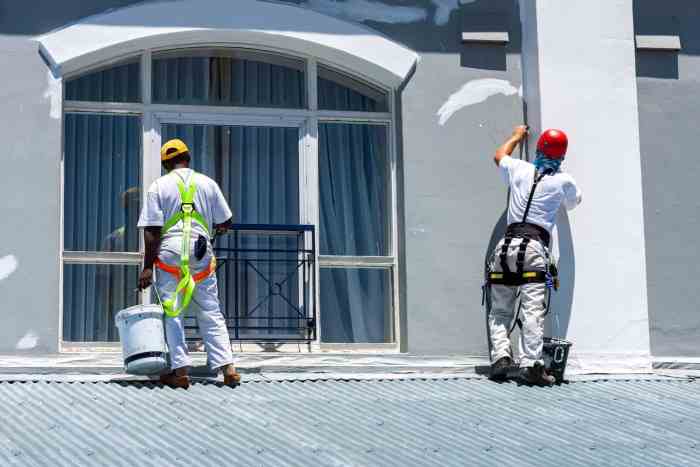
Commercial painting contractors offer a range of specialized services tailored to the needs of businesses and large-scale projects. These services go beyond what residential painters typically provide, requiring specific expertise and equipment to handle commercial spaces effectively.
Types of Services
- Interior and Exterior Painting: Commercial painting contractors are equipped to paint both the interior and exterior of large buildings, including offices, warehouses, schools, and more.
- Surface Preparation: This involves tasks such as cleaning, sanding, and priming surfaces before applying paint to ensure a smooth and long-lasting finish.
- Specialized Coatings: Commercial painters are trained to apply specialized coatings like epoxy, anti-graffiti, and fire-resistant paints to meet specific requirements.
- Color Consultation: They can provide expert advice on color selection and trends to help businesses create a professional and appealing environment.
- Project Management: Commercial painting contractors oversee the entire painting project, from planning and scheduling to execution and completion.
Commercial vs. Residential Painting
Commercial painting services differ from residential painting in terms of scale, complexity, and requirements. While residential painters focus on individual homes and smaller projects, commercial painters handle larger buildings with unique challenges.
Commercial painters are trained to work efficiently in high-traffic areas, use industrial-grade paints, and comply with safety regulations specific to commercial spaces.
Importance of Specialized Equipment
Commercial painting projects often require specialized equipment to ensure quality results and efficiency. Some of the equipment used by commercial painting contractors include:
- Airless Sprayers: These allow for faster and more uniform paint application on large surfaces.
- Sandblasting Equipment: Used for surface preparation and removal of old paint or coatings.
- Lifts and Scaffolding: Necessary for reaching high areas and ceilings safely and efficiently.
- Industrial Fans and Ventilation Systems: To ensure proper ventilation and drying of paint in enclosed spaces.
Qualifications and Training
To become a successful commercial painting contractor, individuals must possess specific qualifications and certifications, as well as undergo proper training to ensure quality workmanship and professionalism in the field.
Essential Qualifications and Certifications
- High school diploma or equivalent
- Completion of a formal apprenticeship program
- Certification in painting techniques and safety protocols
- Valid contractor's license
Training Process
Individuals interested in becoming certified commercial painting contractors typically start as apprentices under experienced professionals to gain hands-on training and knowledge in the field. The training process may include:
- Learning proper surface preparation techniques
- Understanding different types of paints and finishes
- Practicing safety protocols and procedures
- Mastering painting tools and equipment
Importance of Ongoing Training
Continuous training and professional development are essential for commercial painting contractors to stay updated on the latest industry trends, techniques, and technologies. Ongoing training helps contractors:
- Improve their skills and expertise
- Enhance their efficiency and productivity
- Adapt to changing customer needs and preferences
- Maintain high-quality standards in their work
Project Management for Commercial Painting
In the realm of commercial painting, efficient project management is crucial to ensure successful completion of painting projects within budget and timeline constraints
Typical Project Management Process
- Initial consultation with the client to understand their requirements and expectations.
- Site visit for assessment of the area to be painted and identification of any challenges.
- Preparation of a detailed project plan outlining the scope of work, materials needed, and timeline.
- Coordination of resources such as skilled painters, equipment, and materials.
- Regular communication with the client to provide updates on project progress.
- Quality control inspections throughout the project to ensure high standards are maintained.
- Final walkthrough with the client to address any concerns and ensure satisfaction.
Importance of Accurate Cost Estimation and Project Timelines
Accurate cost estimation is essential to prevent cost overruns and ensure profitability for the commercial painting contractor. Similarly, adhering to project timelines is crucial to maintain client satisfaction and reputation. Delays can result in additional costs and damage the contractor's credibility.
Challenges Faced by Commercial Painting Contractors
- Unforeseen structural issues or damage discovered during the project.
- Adverse weather conditions affecting outdoor painting projects.
- Coordination of multiple subcontractors and vendors.
- Managing client expectations and addressing any changes in scope.
- Ensuring compliance with safety regulations and environmental standards.
Safety Regulations and Compliance
Safety is a top priority for commercial painting contractors, as they must adhere to strict regulations to ensure a safe working environment for their employees and clients. Compliance with safety protocols is crucial to prevent accidents and ensure the success of any painting project.
Safety Regulations
Commercial painting contractors are required to follow safety regulations set forth by organizations such as OSHA (Occupational Safety and Health Administration). These regulations cover various aspects of safety, including the proper use of equipment, handling of hazardous materials, and fall protection measures.
- Contractors must provide safety training to their employees to ensure they are aware of potential hazards and know how to mitigate risks.
- Regular inspections of equipment and worksites are conducted to identify and address any safety concerns promptly.
- Proper safety gear, such as masks, gloves, and goggles, must be provided and worn at all times to protect workers from exposure to harmful chemicals and fumes.
Environmental Compliance
In addition to safety regulations, commercial painting contractors must also ensure compliance with environmental regulations. This includes proper disposal of hazardous waste materials, using eco-friendly paint products, and minimizing the impact on the surrounding environment.
- Contractors must properly store and dispose of paint cans, solvents, and other materials in accordance with local and federal regulations.
- Using low-VOC (volatile organic compound) or zero-VOC paints helps reduce harmful emissions and improve indoor air quality.
- Implementing best practices for paint waste management, such as recycling or reusing materials whenever possible, can help minimize environmental impact.
Importance of Safety Protocols
Safety protocols are essential in preventing accidents and injuries on the job site. By following strict safety guidelines, commercial painting contractors can protect their workers, clients, and the environment while ensuring the successful completion of projects.
Adhering to safety regulations not only prevents accidents but also boosts productivity and enhances the reputation of the painting contractor.
Last Word
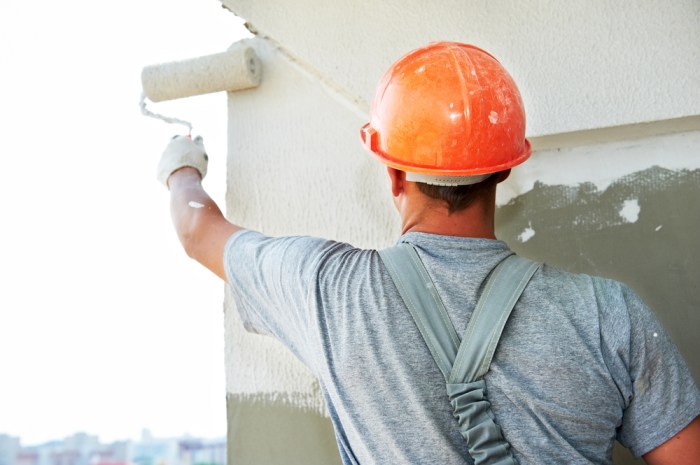
In conclusion, the world of commercial painting contractors is a dynamic and crucial aspect of the construction industry. From their specialized services to their unwavering dedication to quality and safety, these professionals play a vital role in bringing life and vibrancy to various projects.
As we wrap up our exploration, it's clear that commercial painting contractors are not just painters – they are artisans of transformation and innovation.
Popular Questions
What types of projects do commercial painting contractors typically work on?
Commercial painting contractors are often involved in painting large-scale projects such as office buildings, warehouses, shopping centers, and industrial facilities.
What sets apart commercial painting services from residential painting services?
Commercial painting services are geared towards larger projects that require specialized equipment and a higher level of expertise compared to residential painting services, which are typically focused on homes and smaller properties.
How do commercial painting contractors ensure compliance with safety regulations?
Commercial painting contractors adhere to strict safety protocols, provide training to their staff on safety measures, and stay updated on the latest safety regulations to ensure full compliance.