
Delve into the world of home exteriors roofing where functionality meets style, offering a comprehensive look at how roofs play a vital role in safeguarding homes while adding a touch of visual appeal.
Discover the diverse range of roofing materials, design options, and maintenance practices that can elevate the overall look and longevity of your home.
Importance of Roofing in Home Exteriors
Roofing plays a crucial role in protecting a home's exterior from various elements such as rain, snow, wind, and sunlight. A sturdy roof helps maintain the structural integrity of the house and prevents damage to the interior.
Contribution to Aesthetics
In addition to its functional aspect, roofing also contributes significantly to the overall aesthetics of a house. The style, color, and material of the roof can enhance the curb appeal of the property and complement the architectural design.
Choosing the Right Roofing Material
Selecting the appropriate roofing material is essential for different home styles. For example, traditional homes may benefit from classic shingles, while modern houses could look stunning with metal or flat roofs. The right choice not only improves the appearance but also ensures durability and energy efficiency.
Types of Roofing Materials
In home exteriors, the choice of roofing materials plays a crucial role in the overall aesthetic appeal, durability, and maintenance requirements of the property. Different roofing materials offer varying levels of protection against the elements, as well as unique environmental impacts.
Asphalt Shingles
Asphalt shingles are one of the most common roofing materials used in residential properties. They are affordable, easy to install, and come in a variety of colors and styles. However, asphalt shingles have a shorter lifespan compared to other materials and may require more frequent maintenance.
Metal Roofing
Metal roofing is known for its durability and longevity, making it a popular choice for homeowners looking for a low-maintenance option. Metal roofs are also energy-efficient and recyclable, reducing their environmental impact. However, metal roofing can be more expensive upfront compared to other materials.
Wood Shingles
Wood shingles provide a natural and rustic look to a home's exterior. While they are aesthetically pleasing, wood shingles require regular maintenance to prevent rot, mold, and insect infestations. They are also not as fire-resistant as other materials.
Clay or Concrete Tiles
Clay or concrete tiles are durable and long-lasting roofing materials that offer excellent protection against the elements. They are also energy-efficient and provide good insulation. However, clay or concrete tiles can be heavy, requiring additional structural support, and they may be more expensive to install.
Slate Roofing
Slate roofing is a high-end option known for its elegance and longevity. It is fire-resistant, waterproof, and requires minimal maintenance. However, slate roofing is one of the most expensive roofing materials available, making it less accessible for many homeowners.
Roofing Design and Styles
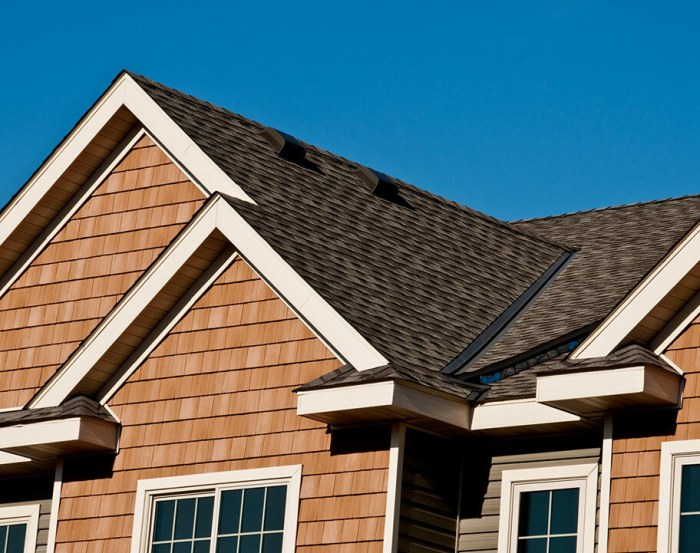
When it comes to roofing design and styles, there are numerous options available to homeowners looking to enhance the curb appeal of their houses. The right roofing design can significantly impact the overall look and feel of a home, making it essential to carefully consider different styles before making a decision.
Popular Roofing Designs
- Traditional Asphalt Shingles: One of the most common roofing materials, asphalt shingles offer durability and affordability. They come in a variety of colors and styles, making them a versatile choice for many homes.
- Metal Roofing: Known for its longevity and energy efficiency, metal roofing has become increasingly popular in modern homes. It provides a sleek and contemporary look that can complement a wide range of architectural styles.
- Wood Shakes: For a more rustic and natural aesthetic, wood shakes are a popular choice. While they require more maintenance compared to other materials, they can add charm and character to a home.
Enhancing Curb Appeal
- Consider the Architectural Style: When selecting a roofing design, it's essential to take into account the overall architecture of the home. Choosing a style that complements the existing structure can enhance curb appeal and create a cohesive look.
- Color and Texture: The color and texture of the roofing material can greatly impact the visual appeal of a house. Opting for colors that coordinate with the exterior paint can create a harmonious and inviting appearance.
- Roof Pitch and Shape: The pitch and shape of the roof can also influence the overall design. Different roof styles, such as gable, hip, or flat roofs, can offer unique architectural elements that enhance the aesthetic of a home.
Selecting the Right Roofing Design
- Consult with a Professional: If you're unsure about which roofing design to choose, it's recommended to consult with a roofing professional. They can provide expert advice based on your home's architecture and style preferences.
- Consider Long-Term Maintenance: Before making a decision, consider the long-term maintenance requirements of different roofing materials. Some styles may require more upkeep than others, so it's essential to choose a design that fits your lifestyle and budget.
- Look for Inspiration: Take inspiration from home design magazines, websites, and neighboring houses to get ideas for roofing styles that appeal to you. Visualizing different options can help you make an informed decision.
Roofing Installation and Maintenance
Installing a new roof for your home is a significant investment that requires careful planning and execution. Proper installation is crucial for the longevity and performance of your roof. Regular maintenance is equally important to ensure that your roof stays in top condition and lasts for years to come.
Steps in Roofing Installation
- 1. Inspection and Preparation: The first step is to inspect the existing roof and prepare the surface for the new installation.
- 2. Decking Installation: The decking, or base layer, is then installed to provide a sturdy foundation for the roof.
- 3. Underlayment and Waterproofing: Next, underlayment and waterproofing materials are added to protect the roof from moisture.
- 4. Shingle or Roofing Material Installation: Finally, the chosen roofing material, whether shingles, tiles, or metal, is installed according to manufacturer guidelines.
- 5. Flashing and Finishing Touches: Flashing is added around roof penetrations and edges, and finishing touches are applied to ensure a seamless look.
Importance of Regular Roof Maintenance
- Regular maintenance helps identify and address minor issues before they escalate into costly repairs.
- It extends the lifespan of your roof by ensuring that it remains structurally sound and weather-resistant.
- Maintaining your roof also preserves the aesthetic appeal of your home and enhances its overall value.
Best Practices for Roof Maintenance
- 1. Schedule Annual Inspections: Have a professional inspect your roof annually to catch any potential problems early.
- 2. Clear Debris Regularly: Keep your roof free of debris such as leaves, branches, and dirt to prevent water buildup and damage.
- 3. Check for Signs of Damage: Look for missing shingles, sagging areas, or signs of water leaks regularly.
- 4. Trim Overhanging Branches: Trim back trees near your roof to prevent damage from falling branches and debris.
- 5. Address Repairs Promptly: If you notice any damage or leaks, address them promptly to prevent further issues.
Final Summary
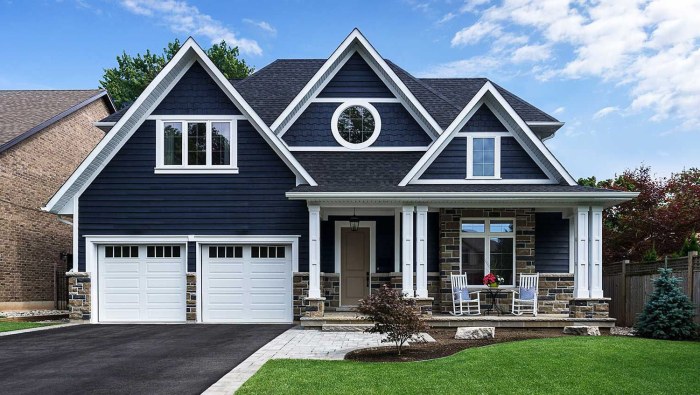
In conclusion, home exteriors roofing isn't just about protection—it's a key element in shaping the look and feel of your residence. By understanding the importance of roofing materials, design choices, and maintenance strategies, you can create a home exterior that stands the test of time.
Answers to Common Questions
What are the key factors to consider when choosing roofing materials?
Consider factors like durability, maintenance requirements, cost, and how well the material complements your home's architectural style.
How often should roof maintenance be performed?
Regular roof inspections and maintenance should be conducted at least once a year, preferably in the spring or fall.
What are some common signs that indicate the need for a new roof?
Leaks, missing or damaged shingles, sagging roof deck, and visible signs of wear and tear are all indicators that it may be time for a new roof.